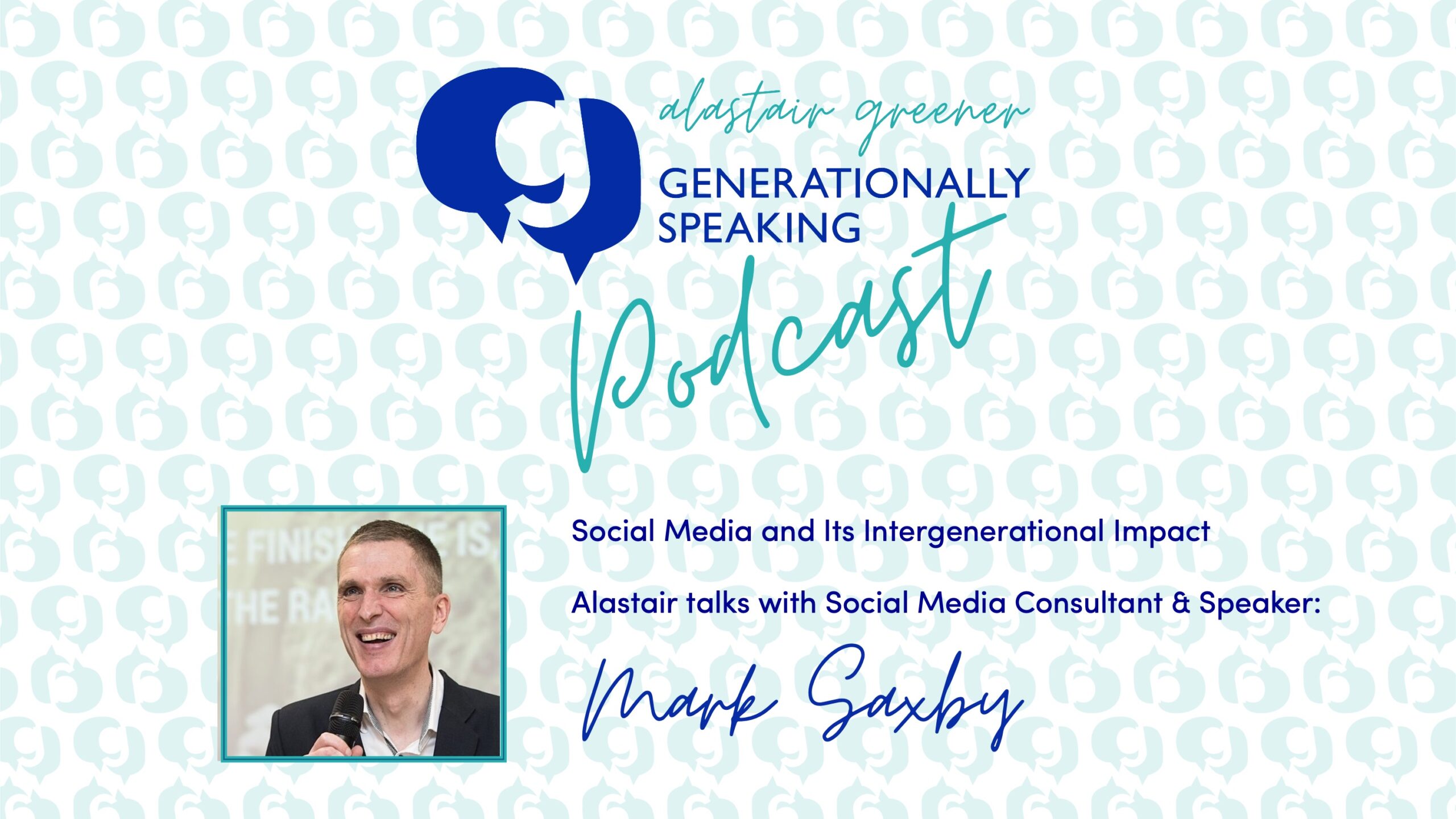
Mark Saxby: Social Media and Its Intergenerational Impact
Join Alastair Greener as he dives into the complexities of social media with Mark Saxby , founder of Positive Social. They discuss social media’s influence on younger generations…

Article

In the government's consultation on growing up online, 90% of parents who responded backed a minimum age of at least 16 for social media, against 19% of children. Yet 62% of children said they would feel safer if the riskiest features were restricted. That overlap is the place for families to begin before the first rules are expected in spring 2027.
Parents and teenagers disagree because they are weighing different things, and the numbers show it. In the government's consultation on growing up in the online world, 90% of parents who responded supported a minimum age of at least 16 for social media, against 19% of children. The gap has a gentler side: 62% of children said they would feel safer if the riskiest features were restricted.
The figures in this article were the latest available in mid November 2026. The government says it intends to lay the first regulations before Parliament by the end of 2026.
The government heard from 116,211 people in just over 12 weeks, across its consultations and nationally representative polls, including more than 54,000 parents, 14,000 children and 600 organisations. The Department for Science, Innovation and Technology set the results out in a progress statement dated June 2026 and updated on 19 August 2026.
On the main question the two groups sit a long way apart. Only 11% of parents who responded agreed that the benefits of social media outweigh the risks, against 40% of children.
The 90% is parents supporting a minimum age of at least 16. The 19% is children supporting a minimum age of 16 across all social media platforms. Base: Parents and children who responded to the government's consultations Source: Department for Science, Innovation and Technology, June 2026
One caution. These are responses to the parents' and children's consultations, which people chose to answer, and the statement runs nationally representative polling separately. The numbers describe the parents and children who responded, not every family in Britain. A separate Savanta survey for the Department for Science, Innovation and Technology, published on 15 July 2026, recruited more than 5,000 parents to be representative of the UK, and 76% of them agreed that social media should have a minimum age of 16. Our article on the UK ban and Australia's first months covers it. The two surveys asked different questions of different groups, so the 90% and the 76% cannot be compared directly.
They are answering from different positions. A parent thinks about the worst outcome for a child they are responsible for. A teenager thinks about what a ban takes away on a Tuesday evening, which is usually friends, plans and a feeling of being in the room. That is an interpretation, but the consultation points the same way.
Children were not asking for no rules. The statement says children tend to favour a more selective approach to restricting particular features over banning services outright, and that 66% supported age restrictions on at least some social media sites. Among 16 to 21 year olds, 65% would like under-16s kept away from at least some features designed to keep users online longer, and 53% wanted infinite scrolling restricted.
So the 90% against 19% headline hides a more useful result. Many young people want some limits and dislike the blunt version. The government has said it will take a mixed approach, with a ban on social media services for under-16s and restrictions on particular functions elsewhere. It expects the first restrictions to be in effect in spring 2027.
Some will try. The government's own statement acknowledges that in Australia some platforms' age checks have been easy to bypass. That is why the rules alone will not settle the question at home: what parents say about them, and whether a teenager feels able to tell a parent when something online goes wrong, matters as much as the law.
Our 2024 survey, Communication Habits and Preferences 2024, asked 4,067 people about their habits. It found that 82% of under-16s had a mobile phone of their own, so the device is already in the house and in the pocket. The rules will mostly change what is on it.
It also found that 32% of Gen Z social media users spend four or more hours a day on social media, against 4% of Baby Boomers. Gen Z in that survey were aged 13 to 27 in 2024, and Baby Boomers 60 to 78, so this compares generations rather than teenagers with their own parents. It shows that the gap in daily habits is real. It does not show what any one teenager does. Alastair's line applies: we are framed by our generation, not defined by it, and plenty of teenagers use social media lightly while plenty of adults do not. Our guide to Generation Z sets out the full survey findings.
Listen first. Ask your teenager what they would miss, and what they would not miss, before you say what you think. Let them finish. Teenagers tend to say more when nobody is correcting them.
Start from the 62%. If they would feel safer with the riskiest features restricted, that is common ground you can build on. Ask which features they mean. Ask what has made them uncomfortable online, and promise not to confiscate anything for telling you.
Be specific about your own worry. "I worry about strangers messaging you" gives a teenager something to respond to. "Social media is bad for you" invites an argument. Where you do not know the platform, ask them to show you.
Agree what happens next. Decide together what you will do if friends are still on apps your child can no longer use, how messaging groups will carry on, and what to do if something goes wrong. Be honest about your own phone habits, because teenagers notice.
Grandparents can help by asking rather than advising. A grandparent who asks to be shown a game, and does not lecture, becomes another adult a teenager can talk to. The schools side is covered in our piece on phone-free schools and what they mean for families. The podcast also has an episode titled Anxiety, Humour, and Raising Kids in a Smartphone World.
In the government's consultation, 90% of parents who responded supported a minimum age of at least 16 for social media, according to the progress statement dated June 2026. The figure comes from people who chose to respond, so it does not describe every parent. A separate representative survey by Savanta for the same department, published on 15 July 2026, found 76% of parents agreeing that social media should have a minimum age of 16, but it asked different questions of a different group.
Mostly not on the all-or-nothing version. In the same consultation, 19% of children supported a minimum age of 16 across all social media, but 66% supported age restrictions on at least some sites. Also, 62% of children and young people said they would feel safer if the riskiest features were restricted.
The government says it intends to lay the first regulations before Parliament by the end of 2026, and expects the first restrictions to be in effect in spring 2027. The regulations must be approved by both Houses of Parliament, so the details could still change.
Hear Alastair talk to guests of every age about family, phones and communication on the Generationally Speaking podcast.
Listen to the podcastJoin Alastair Greener as he dives into the complexities of social media with Mark Saxby , founder of Positive Social. They discuss social media’s influence on younger generations…
Joe Rowntree; comedian, presenter, and founder of Anxiety Uncovered joins Alastair to explore anxiety, parenting, and growing up in a permanently connected world.
In this episode Emma Clark joins Alastair live from Australia to explore rising anxiety in schools, generational differences in parenting, and the reality behind Australia’s under-16…
Former school “superhead” Nick Bowen reflects on 20 years leading large secondary schools and turning around failing institutions.
Invite Alastair to speak at your event
Contact